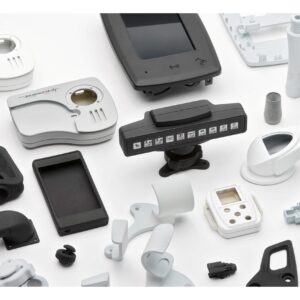
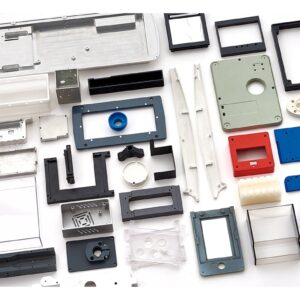
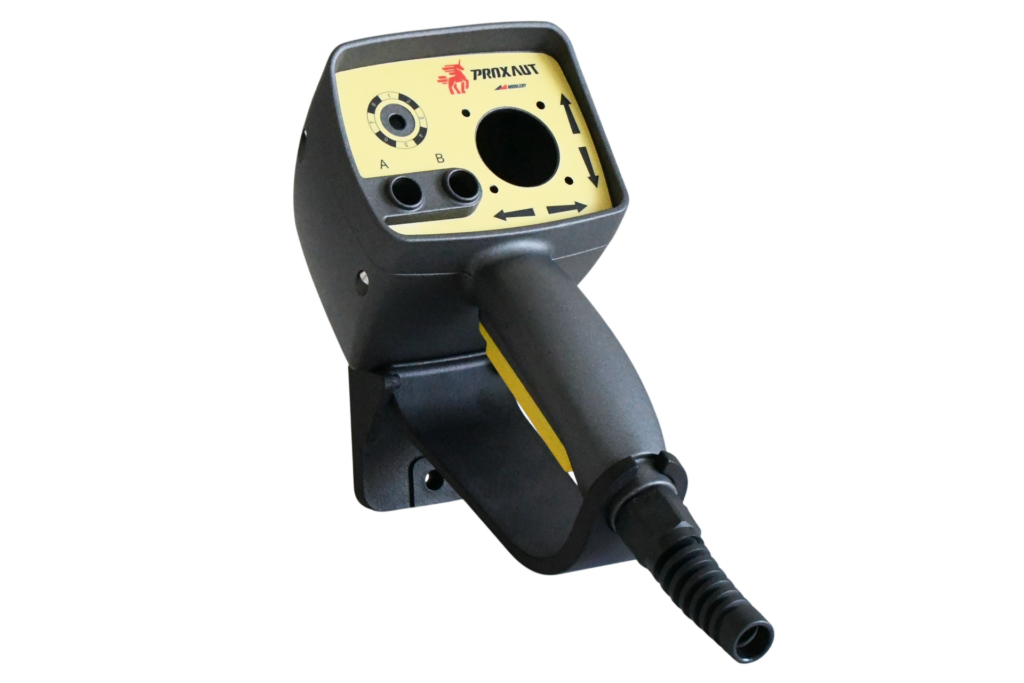
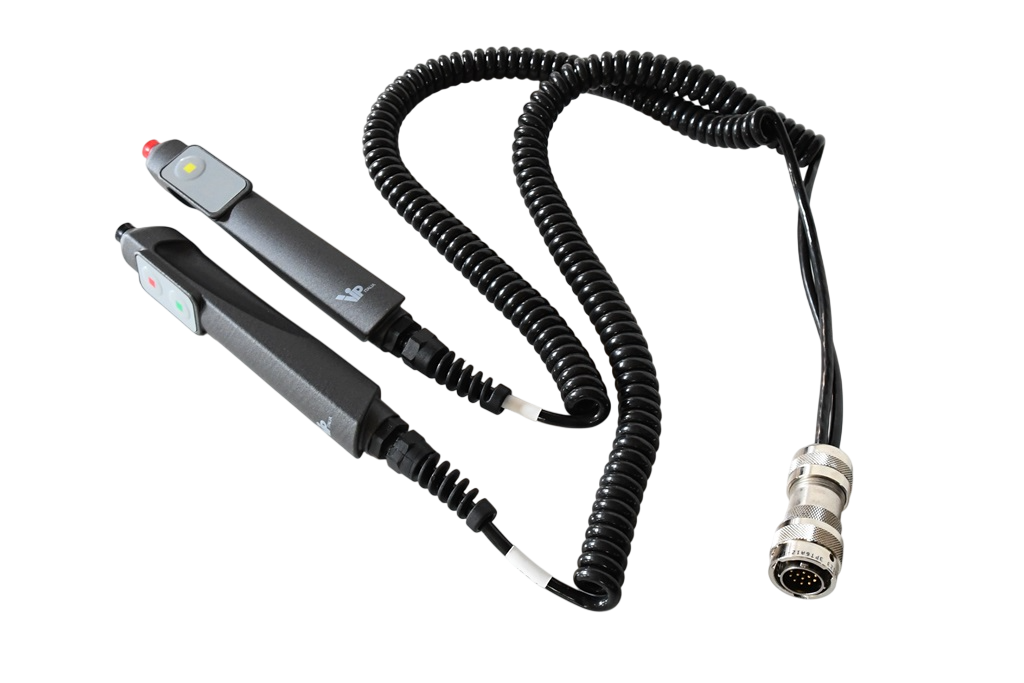
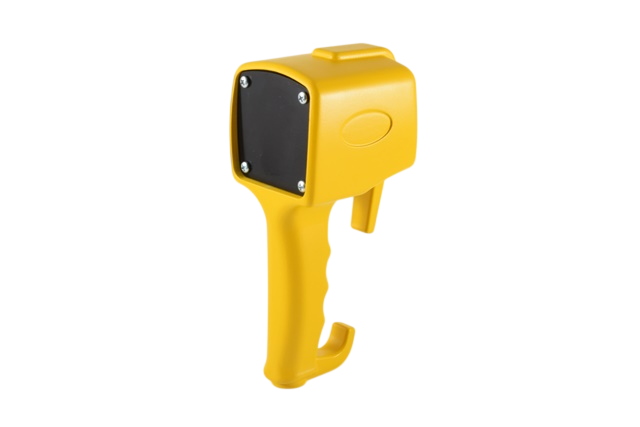
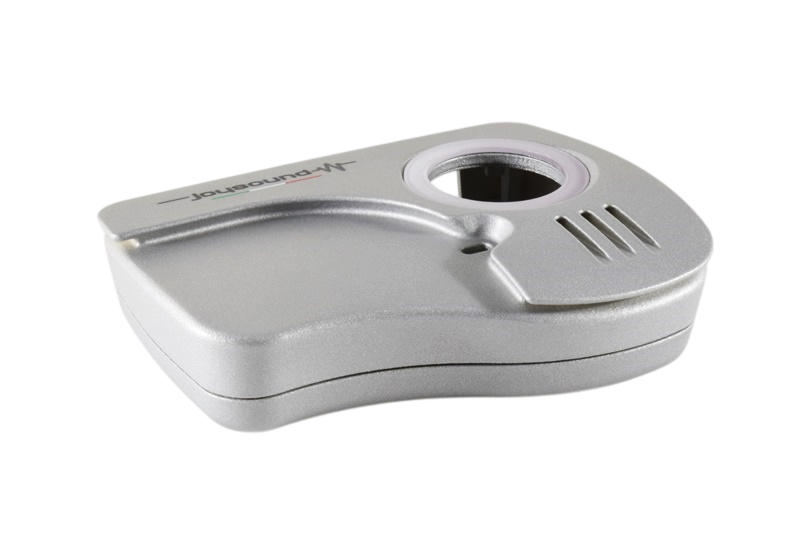
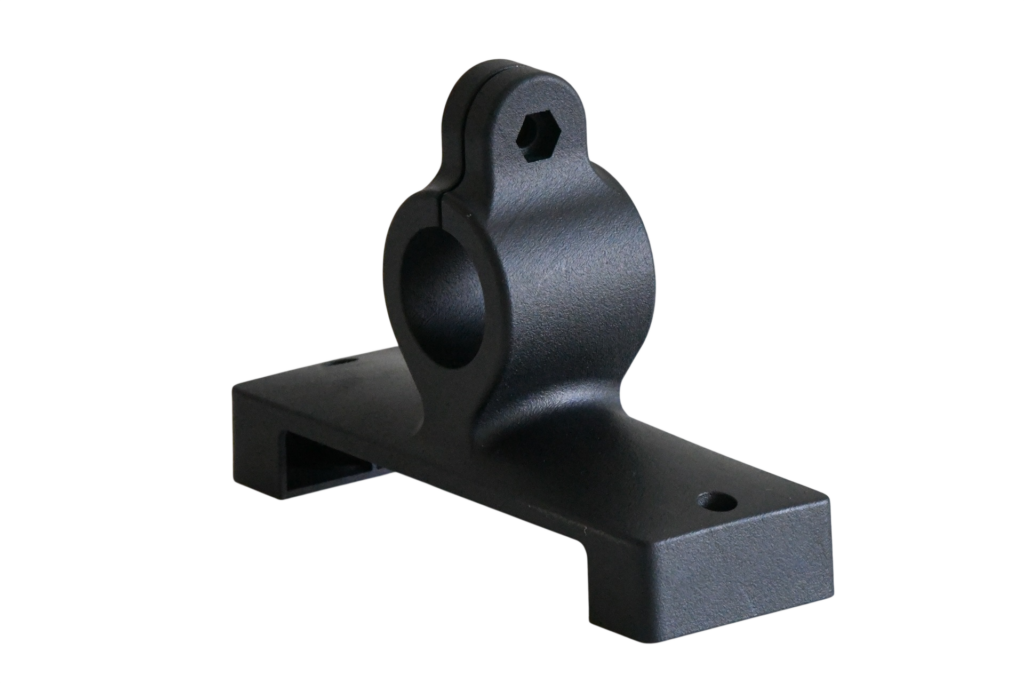
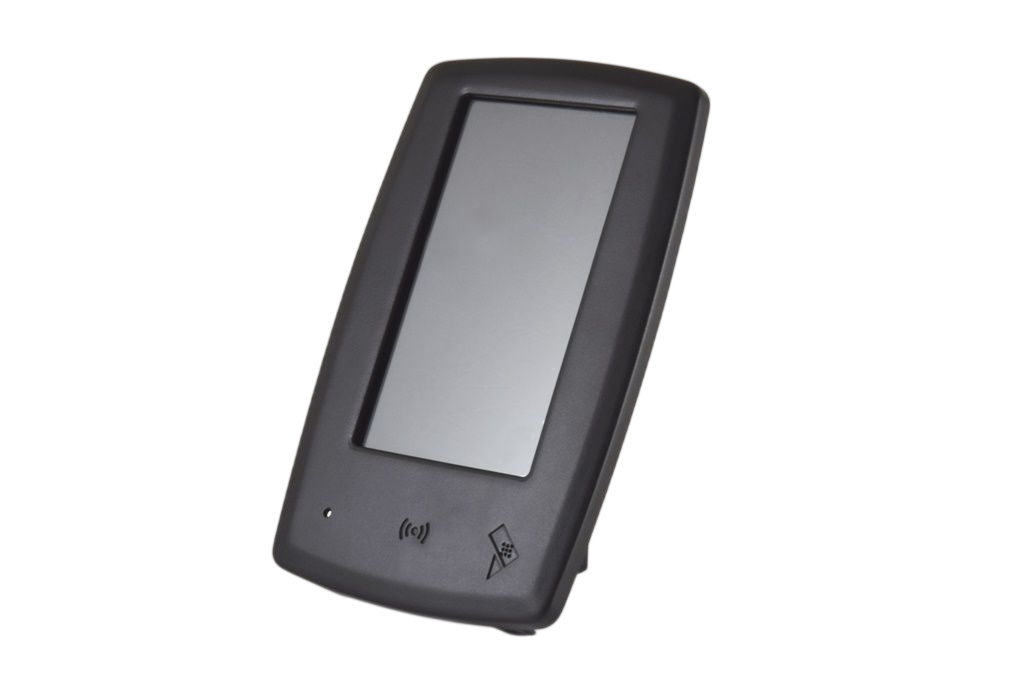
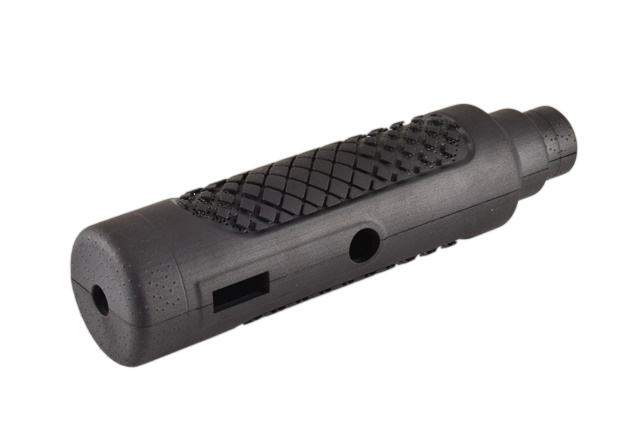
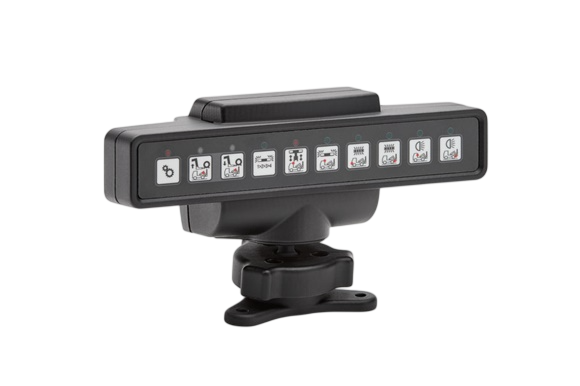
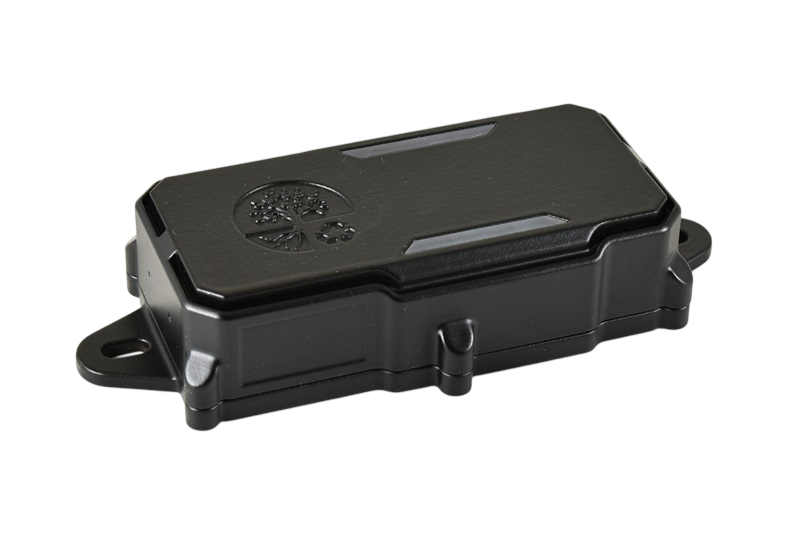
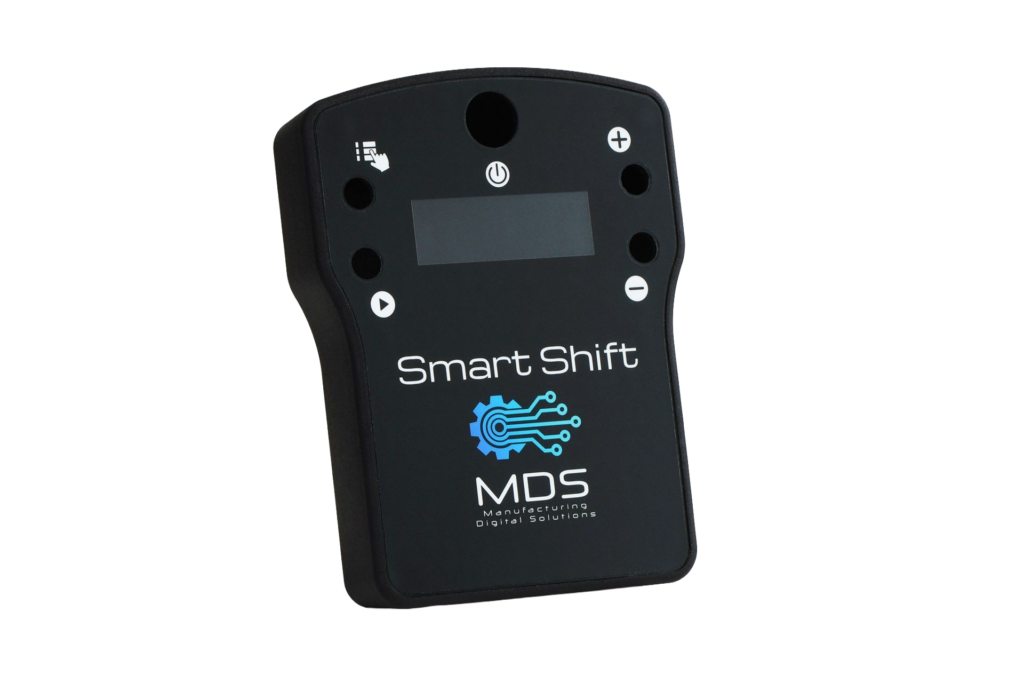
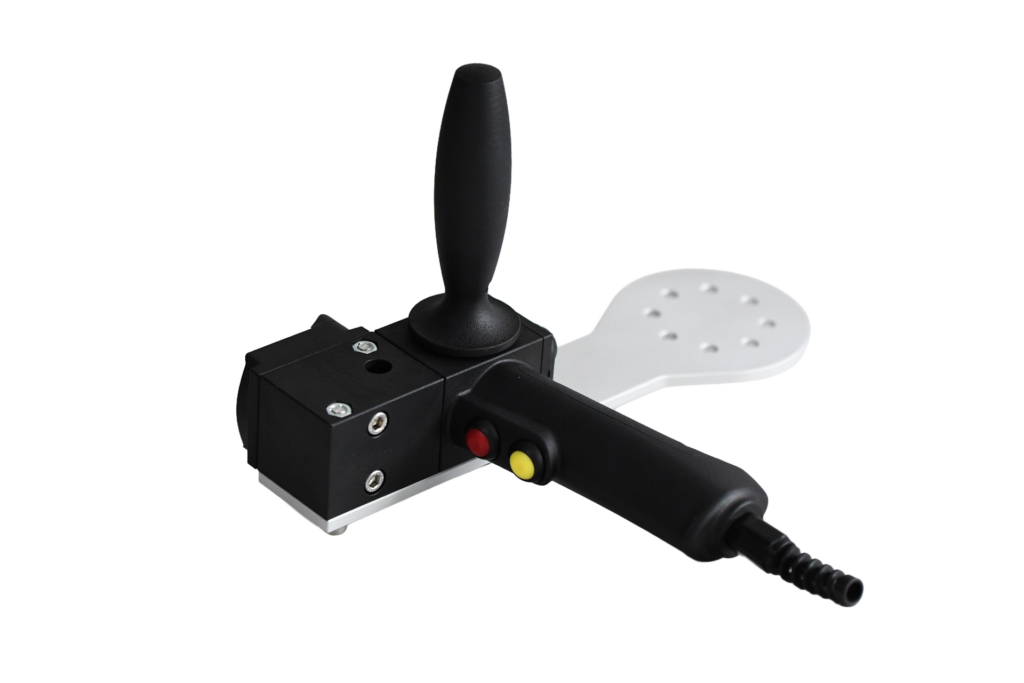
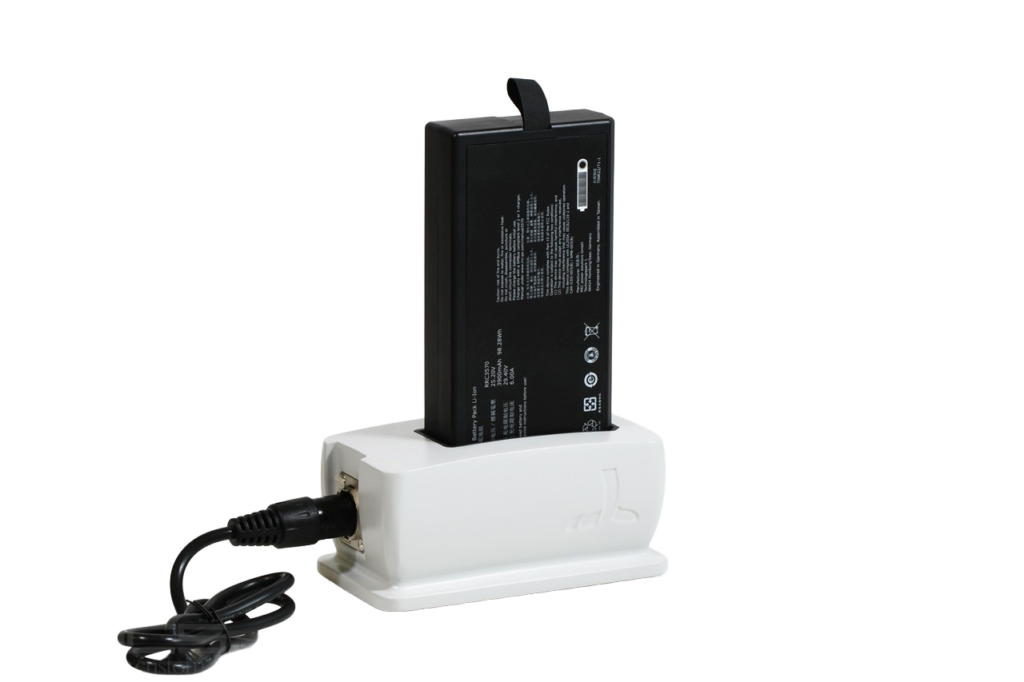
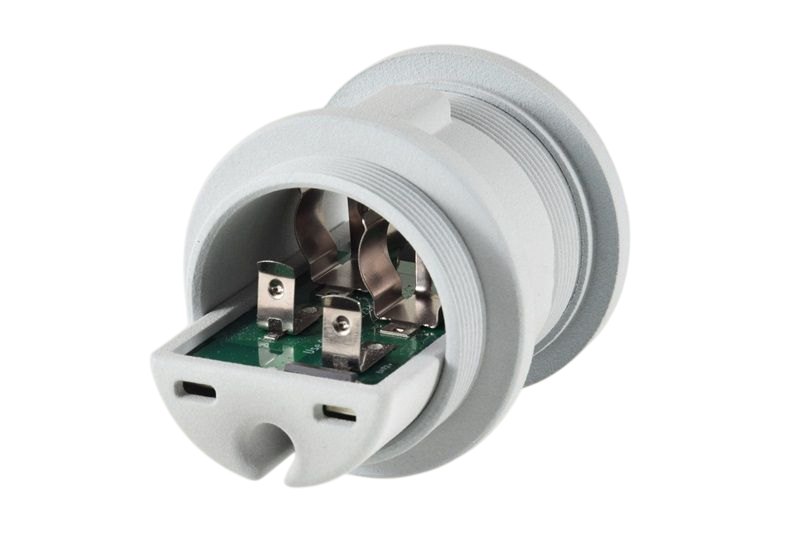
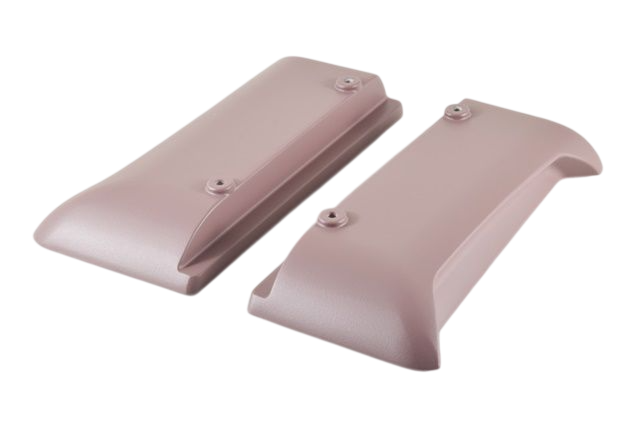
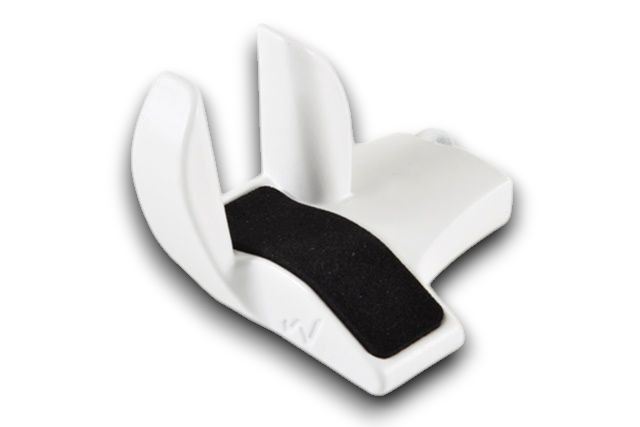
Design and production of electronic enclosures and mechanical parts in 3D printing.
Made of Nylon PA12 with HP Multi Jet Fusion printing process.
There are several aesthetic and construction options available:
With the Multi Jet Fusion technology is possible to create very robust, high-density parts in Nylon PA12 with extreme precision in the details. For this reason, today is the ideal solution for prototyping and for the mass production of functional objects in plastic material.
What distinguishes us from a typical 3D printing service? In MCS we have a clear vision of the finished product, we know that, for an electronic product there are very high expectations from a technical, functional and aesthetic point of view.
Therefore, In MCS we have developed our skills in order to obtain parts with high technical, functional and aesthetic characteristics.
In MCS we don’t limit ourselves to just printing a file provided by the customer, but we are able to design and create customized and made-to-measure objects.
The HP Multi Jet Fusion 3D technology guarantees a tolerance of 0.3 mm for objects up to 100 mm, and 0.3% over 100mm. Values are defined as raw parts.
380 x 284 x 380mm
PA12 working temperature: MAX. 140 C (the geometry and thickness of the parts can cause deformation even at lower temperatures)
Good chemical resistance to oils, fats, aliphatic and alkali hydrocarbons.
MCS exclusively manufactures customized products. Therefore, what is published on the site cannot be classified as a standard product and no product can be sold individually. The publication is purely for illustrative purposes. The products are owned by their respective customers and are not directly replicable for different recipients.
Looking for a reliable supplier who can offer you a wide range of products and services in a coordinated and effective way?
How often are you forced to make realize to various suppliers about several parts of the same product, taking charge of the management and synchronization of the different suppliers who often do not respond on the same time and involve delays compared to your schedule?
Electronics enclosures made with 3D printing are structures designed to house and protect electronic circuits, PCB boards, control interfaces, and other components. 3D printing also enables the production of precision mechanical parts, brackets, housings, and customized structural components.
Common synonyms for these products include:
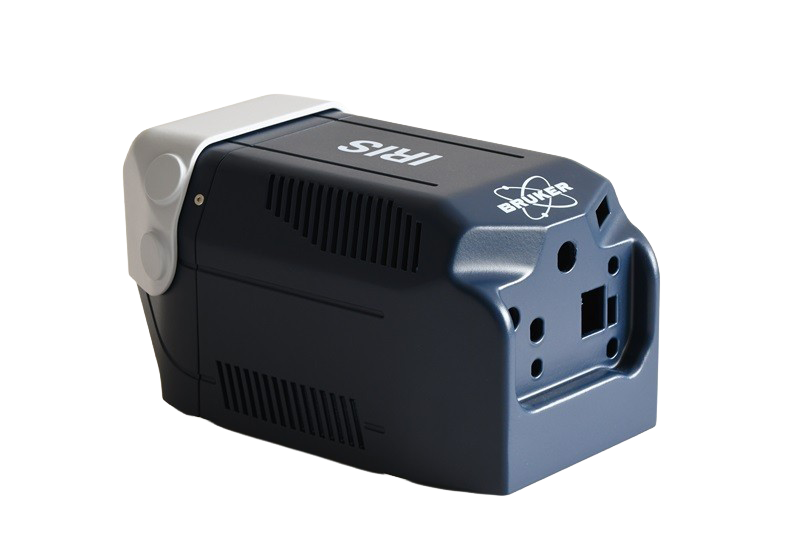
Electronic enclosures are structures designed to house and protect electronic circuits, PCB boards, control interfaces, and other electronic components. They can vary in shape, size, and materials depending on the application.
Common synonyms used to identify these products include:
Our company designs and manufactures customized containers for every need, using different production technologies to guarantee tailor-made solutions.
Display frames are structural elements designed to frame and protect screens of electronic devices, such as industrial displays, touchscreens, human-machine interfaces (HMI), and control panels. In addition to providing physical protection for the display, they enhance the product’s aesthetics and facilitate mounting in electronic systems.
A display frame is often also identified as an “electronics enclosure.” Sometimes, the product consists of a frame and brackets/support elements for the display and electronics, while in other cases, the object also includes rear covers such as casings and panels to protect electronic boards.
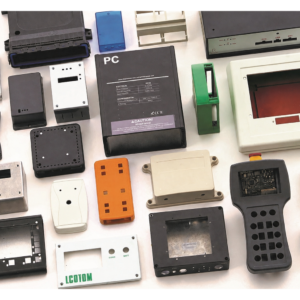
Commercial electronics enclosures are standard casings produced by various international manufacturers in plastic, aluminium, or metal. They are available in catalogues and typically always in stock in a wide range of geometries and sizes.
They are designed for general use in electronic instrumentation and can be adapted to various industries thanks to customization options.
Advantages of commercial electronics enclosures
Disadvantages of commercial electronics enclosures
These containers represent a flexible and affordable solution, particularly suitable for companies that want a reliable and well-made product, without having to invest in totally custom development.
Membrane keyboards/switches are input devices composed of layers of flexible material. They use an electrical contact mechanism to transmit commands when keys are pressed, making them ideal for industrial and electronic applications.