

The graphic design of membrane keyboards can be produced using screen printing or digital printing. Each method has its advantages and is chosen based on factors such as required quantities, graphic complexity, and the presence of gradients.
Electronics enclosures made with 3D printing are structures designed to house and protect electronic circuits, PCB boards, control interfaces, and other components. 3D printing also enables the production of precision mechanical parts, brackets, housings, and customized structural components.
Common synonyms for these products include:
We manufacture enclosures and mechanical components in Nylon PA12. 3D printing allows us to create complex, lightweight, and functional geometries without design limitations.
Absolutely yes, and we are specialized in this.
While 3D printing is often associated with prototyping, at MCS, we also use it for producing functional objects intended for real use. Unlike a standard 3D printing service, we go beyond simply providing printed parts:
Thanks to this approach, our 3D-printed enclosures and mechanical components are not just prototypes but fully functional technical components suitable for final products.
Yes, we often combine 3D printing with other manufacturing technologies. For example:
Our products are used in various industries, including:
The selection depends on various factors, including:
Yes, we can customize products with:
To start the design process, we need some key information:
It is also helpful if the customer can provide:
3D printing enables much faster turnaround times compared to other technologies. On average:
We offer various finishing options to enhance the appearance and performance of parts:
Electronic enclosures are structures designed to house and protect electronic circuits, PCB boards, control interfaces, and other electronic components. They can vary in shape, size, and materials depending on the application.
Common synonyms used to identify these products include:
Our company designs and manufactures customized containers for every need, using different production technologies to guarantee tailor-made solutions.
We are capable of producing customized enclosures using various manufacturing technologies:
Our enclosures are used in many industries, including:
The choice of technology and construction method mainly depends on the required quantity, but there is no universal rule. Other factors such as technical specifications and enclosure size often come into play.
For small to medium production runs, we use technologies such as:
The first 4, options do not require molds or complex tooling.
For high-volume production, plastic injection moulding is usually the most cost-effective and repeatable solution. Often, initial production starts with simpler CNC machining and later transitions to injection moulding.
Thanks to our ability to combine multiple production technologies, we can select the best solution based on technical specifications and budget, ensuring the optimal balance between cost, performance, and customization.
Yes, we can customize enclosures with:
To start planning the project and design process, we need some basic information, among the most important:
Additionally, we need to understand what base data the customer can provide, such as verbal concepts, sketches, rough drawings, samples of other products, electronic boards, or other components to be integrated.
Yes, but feasibility depends on the product type. 3D printing is highly useful for small-sized prototypes, while it is less suitable for medium-to-large covers, where digital simulation may be more effective.
Regardless of the prototyping method, our design process always concludes with the presentation of 3D CAD models, allowing customers to clearly and accurately visualize all enclosure details. This ensures the customer can properly assess the project before moving forward with production.
We offer various finishing options to ensure an optimal aesthetic and functional result.
Liquid coating (in-house process):
We carry out liquid coating internally, applicable to both plastic and metal materials, with no limitations on colour and finish. This solution is ideal for advanced customization and meeting specific aesthetic or surface resistance requirements. Our liquid coating process also allows us to apply particularly durable coatings or treatments with antimicrobial additives for medical applications.
Powder coating (external process):
For sheet metal components, we offer powder coating through specialized partners. This process is more cost-effective than liquid painting but has a more limited colour range, especially for small production runs.
Galvanic treatments (external process), for aluminium components:
Display frames are structural elements designed to frame and protect screens of electronic devices, such as industrial displays, touchscreens, human-machine interfaces (HMI), and control panels. In addition to providing physical protection for the display, they enhance the product’s aesthetics and facilitate mounting in electronic systems.
A display frame is often also identified as an “electronics enclosure.” Sometimes, the product consists of a frame and brackets/support elements for the display and electronics, while in other cases, the object also includes rear covers such as casings and panels to protect electronic boards.
Our frames can be made from:
Depending on customer needs, we manufacture display frames using:
Absolutely! Each frame is custom-designed, considering:
We offer a wide range of aesthetic and functional treatments, including:
Yes, we can integrate various elements to improve product functionality:
Our frames are used in various industries, including:
The choice depends on several factors:
No, it is not necessary. Our technical team supports the customer throughout the development process, turning their requirements into a feasible project. We can start from sketches, CAD models, or simple descriptions to develop a tailored solution.
Lead times depend on the production process and project complexity. On average, productions have a lead time of 4 weeks.
Certainly! We offer the possibility of producing prototypes using 3D printing or CNC milling to verify design and functionality before final production. Often, prototypes are made from raw materials to speed up lead times and reduce finishing costs.
Commercial electronics enclosures are standard casings produced by various international manufacturers in plastic, aluminium, or metal. They are available in catalogues and typically always in stock in a wide range of geometries and sizes.
They are designed for general use in electronic instrumentation and can be adapted to various industries thanks to customization options.
Advantages of commercial electronics enclosures
Disadvantages of commercial electronics enclosures
These containers represent a flexible and affordable solution, particularly suitable for companies that want a reliable and well-made product, without having to invest in totally custom development.
We specialize in customizing commercial electronics enclosures through precision CNC machining, printing, painting, etc., to adapt them to the customer’s specific needs.
We perform custom CNC milling, creating holes, slots, recesses, and spaces for connectors, switches, buttons, and displays. These processes can be done on commercial enclosures or custom-made boxes upon request.
We have a wide range of equipment for precision CNC milling on enclosures from major brands, including:
We collaborate with various manufacturers and/or importers of commercial electronic enclosures, allowing us to manage procurement activities in these cases. In other instances, materials can be supplied on a consignment basis.
Yes, all clamping fixtures used for securing enclosures during milling are made in-house, ensuring maximum precision and repeatability in machining. In some cases, the fixtures are machined from solid material, while in others, for complex geometries, they are produced using 3D printing.
Absolutely! We customize enclosures with screen printing and digital printing on plastic and metal materials, applying logos, symbols, text, and icons for a professional and durable result.
Yes, we offer various types of finishing to customize aesthetics and improve the functional characteristics of enclosures:
Our custom enclosures are used across a wide range of industries, including:
No, it is not necessary. Our technical team supports the customer throughout all development stages, turning their needs into a detailed production-ready design.
We also offer subcontracted manufacturing, customizing products according to customer specifications and drawings.
Lead times vary based on the chosen technology and project complexity. CNC machining and plastic/metal carpentry typically have faster turnaround times (3-4 weeks). Injection moulding or polyurethane moulding may take longer due to mould fabrication.
Membrane keyboards/switches are input devices composed of layers of flexible material. They use an electrical contact mechanism to transmit commands when keys are pressed, making them ideal for industrial and electronic applications.
Membrane keyboards feature a smooth, sealed surface, making them resistant to dust, water, and other substances. They are also thinner and lighter than mechanical keyboards, allowing for a compact design and greater durability in harsh environments.
Our membrane keyboards are applied in various industries, including: Industrial, Medical equipment, Railway, Marine, Agricultural, Earthmoving, Home automation, Vending, etc. Each sector has specific requirements, and our keyboards are designed to ensure reliability in different operational contexts.
We have extensive experience in harsh environments such as the agricultural and marine sectors, where products must withstand extreme weather conditions, dust, humidity, and vibrations. Our keyboards are designed to ensure optimal performance even in these challenging conditions.
We use weather-resistant materials, such as polyester treated to withstand UV rays, and offer options like antimicrobial treatments and special finishes to enhance the durability of the keyboards in complex environments.
Yes, our membrane keyboards are also used in medical equipment, where hygiene and reliability are crucial. We can integrate antimicrobial treatments to ensure high hygienic standards.
Membrane keyboards are primarily made of polyester, a flexible and durable material that ensures long-lasting performance. Polyester is particularly suitable for industrial environments and can be treated with various finishes to suit different applications.
Polyester membrane keyboards can have different finishes, including:
Yes, we produce membrane keyboards specifically designed to withstand outdoor conditions. These keyboards are made from materials treated to resist UV rays, weather, and humidity, ensuring reliable performance even in harsh outdoor environments.
Membrane keyboards with antimicrobial treatment use a special coating that inhibits the growth of bacteria and microbes on the surface, making them ideal for medical applications or environments where hygiene is essential.
Yes, polyester is highly resistant to chemicals, abrasion, and high temperatures. This resistance, combined with its flexibility, makes it the perfect material for applications requiring durability and long-term reliability.
Membrane keyboards use printed electrical circuits on flexible substrates. The most common options include conductive silver circuits printed on polyester, ideal for applications requiring high reliability and cost efficiency.
Flexible circuits with silver conductive material are a type of circuit printed on flexible materials such as polyester. The conductive trace consists of silver ink, offering excellent electrical conductivity and good corrosion resistance. These circuits are suitable for industrial applications requiring flexibility and durability.
Silver conductive circuits offer several advantages, including:
Kapton circuits are made on a polymer material called polyimide, known for its exceptional heat resistance. Kapton circuits are used in applications requiring thermal stability, flexibility, and durability in extreme environments.
Kapton circuits are recommended when operating in high-temperature conditions or harsh environments, such as military or aerospace applications. Conversely, polyester circuits with silver conductive material are the preferred choice for most standard industrial applications due to their excellent cost-performance ratio.
Membrane keyboards can be equipped with different types of connectors depending on project requirements. The most common standard is the 2.54 mm pitch female connector, but we also provide keyboards with flat cables for ZIF (Zero Insertion Force) connectors.
A 2.54 mm pitch connector refers to the distance between the connector pins, which is 2.54 millimetres. This type of connector is widely used in electronics and is often employed to connect membrane keyboards to circuit boards or other devices.
A ZIF (Zero Insertion Force) connector allows for easy insertion of a flat cable without applying pressure to the contacts. This type of connection is ideal for applications requiring quick connection/disconnection or where contact damage during assembly must be avoided.
Yes, membrane keyboards can be customized with the type of connector that best suits your project’s needs, whether it is a 2.54 mm pitch connector or a flat cable for ZIF connectors.
We offer different types of keys for membrane keyboards, including:
Flat keys are keys with a flat surface where the electrical contact is made through a conductive silver dot on the graphic layer. This type of key is ideal for compact and thin solutions where pronounced tactile feedback is not required.
Polydome keys have a thermoformed dome shape on the key, which, when pressed, closes the contact using a conductive silver track on the graphic layer. This design offers more pronounced tactile feedback compared to flat keys.
Metaldome keys use a metal dome to close the contact. This type of key provides precise and sharp tactile feedback and is available in various sizes and actuation forces to meet specific application requirements.
The choice of key type depends on several factors, such as:
Yes, SMD LEDs can be integrated into membrane keyboards to provide status or signalling lights. These LEDs are mounted using a pick-and-place machine, ensuring precise positioning.
The most common sizes of SMD LEDs used in membrane keyboards are 0805 and 0603, depending on available space and lighting requirements.
The integration of SMD LEDs allows status indication or visual feedback for users, enhancing product interactivity and usability.
LEDs are installed using pick-and-place machines, which ensure precise and reliable placement of electronic components on the keyboard. This process guarantees high quality and consistency in production.
The graphic design of membrane keyboards can be produced using screen printing or digital printing. Each method has its advantages and is chosen based on factors such as required quantities, graphic complexity, and the presence of gradients.
Screen printing is ideal for large orders and graphics with a limited number of colours. It is particularly suitable for accurately reproducing simple graphic details and achieving long-lasting durability.
Digital printing is preferable when complex graphics or gradients are required, thanks to its high resolution, which allows for detailed image reproduction. Additionally, it is the best choice for small quantities or when multiple graphic variants are needed within the same production batch.
The choice between screen printing and digital printing depends on several factors, including:
Yes, in some cases, it is possible to combine both techniques to maximize the benefits of each method based on the specific graphic requirements of the project.
Yes, membrane keyboards are fully customizable. You can choose dimensions, layout, graphics, backlighting, and add features such as displays or printed circuits according to your project requirements.
Yes, in addition to membrane keyboards, we can manufacture complementary supports in various materials, such as plastic, aluminium, or steel, using CNC machining from sheet material. This allows us to offer complete and customized solutions for complex projects.
es, we can manufacture electronic enclosures derived from commercial products, modified to fit your project, or we can develop fully custom enclosures. This enables us to provide a complete and integrated solution for your electronic design needs.
Supports and enclosures can be made of plastic, aluminium, or steel, depending on the specific project requirements. We use CNC machining from sheets to ensure maximum precision and customization.
Membrane keyboards are generally supplied with adhesive backing, making installation easy on flat and smooth surfaces. They can also be integrated into electronic panels or industrial devices.
Membrane keyboards are designed for exceptional durability, with an average lifespan of over one million activation cycles per key, depending on usage conditions and maintenance.
Yes, many membrane keyboards are designed to be waterproof and resistant to humidity, making them suitable for industrial or medical environments where liquid exposure is frequent.
To design a custom membrane keyboard, we need some basic information, including:
It is not necessary to provide the final design files. Our technical team will assist you in every step of product development, offering support to translate your requirements into a detailed technical project.
Our technical team is available to guide you step by step in designing the keyboard. We will help you define the most suitable technical and graphic specifications for your needs and the environment in which the product will be used.
You can contact us via the form on our website or send us an email with the details of your project. Our technical team will help you define the specifications and provide you with a tailored quote.
Delivery times vary depending on project complexity and the required volume. On average, the development and production of a custom keyboard take between 4 to 6 weeks.
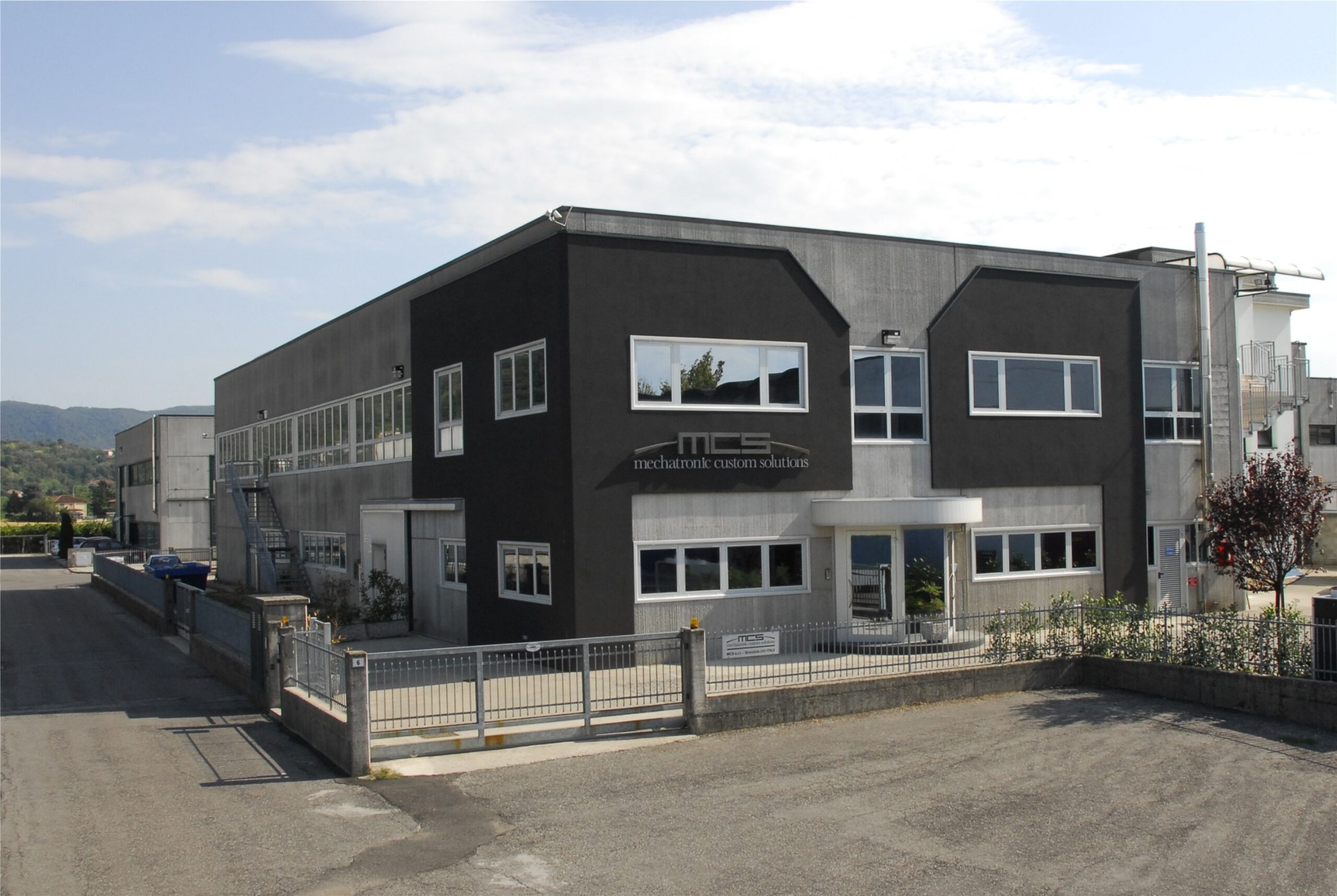
Listening to the customer, constant attention to market demands, targeted investments for the development of technologies and the growth of our people have allowed us to offer specialist know-how in the production of membrane switches, electronics enclosure, display frames, front panels generally for electronic equipment.
Our goal? Helping our customers make a difference.