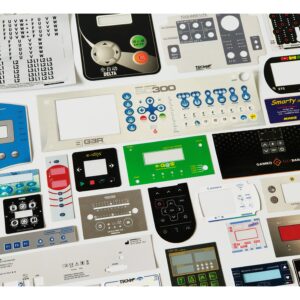
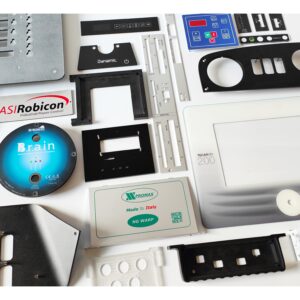
Screen-printed panels

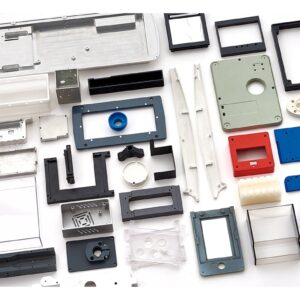
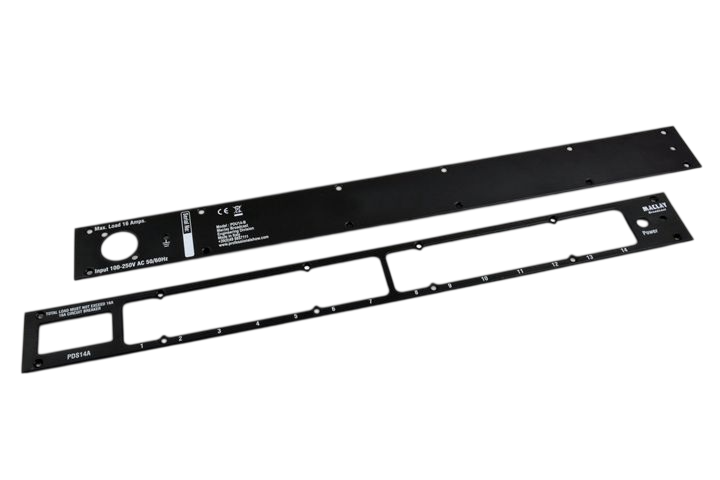
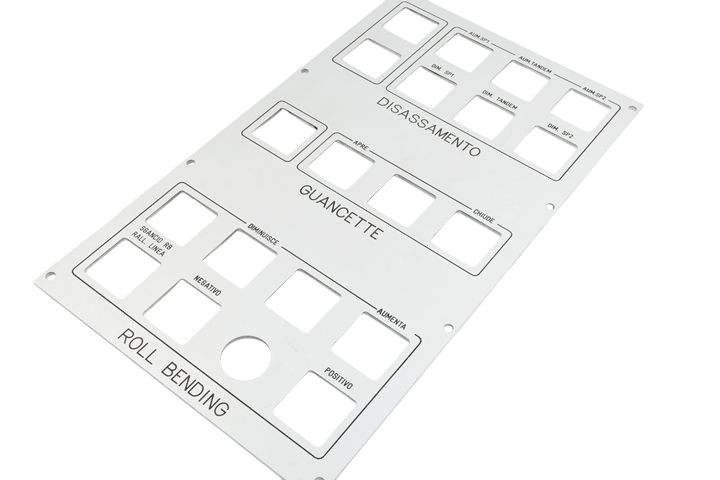
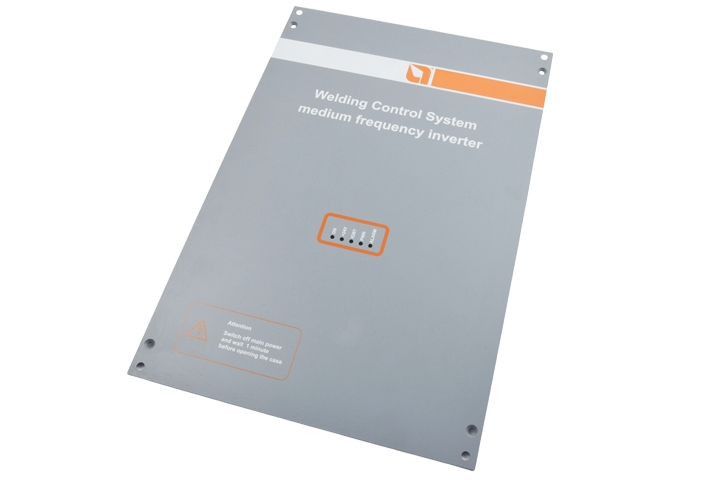
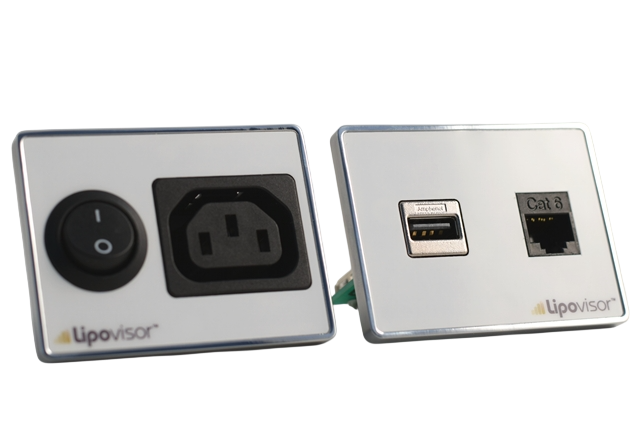
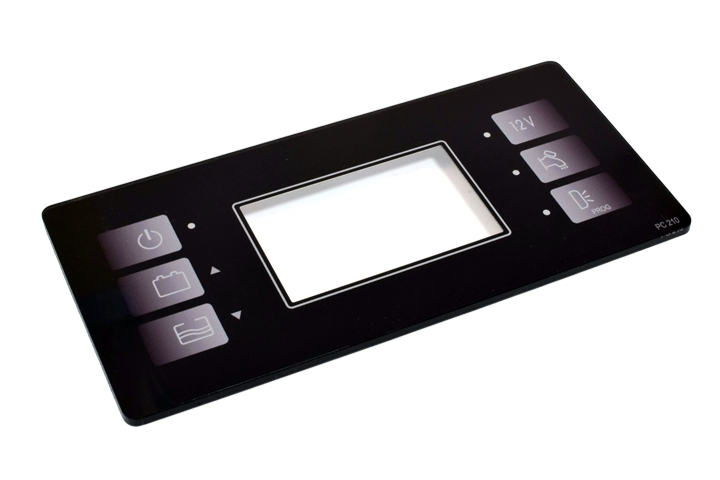
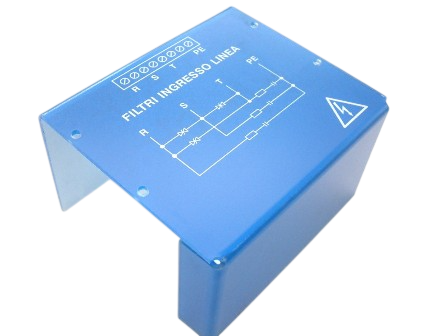
Panels and plates in polycarbonate, Plexiglas, polyester, and aluminum.

Mechanical machining can be carried out according to drawing, with assembly of threaded pins, etc.

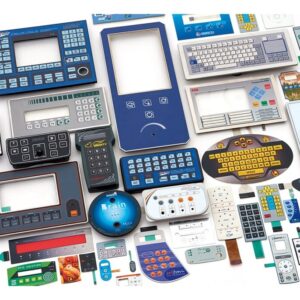
Digital or screen printing depending on the material and field of application.

Plastic Protection for Electronic Boards TMP1425

Punched Sheet Metal Panel SER1533

Plastic Protection PAN2941

Screen Printed PanelTMP1836

Aluminum Screen Printed Panel PAN2847

Chrome Plate TMP2201

Plexiglass Display Panel PAN2956

Folded Screen Printed Protection PAN0055

Details: Membrane switches

Membrane keypad with touch key, without tactile feedback

  • Contact type: silver ink
  • Number of cycles: 10,000,000
  • Operating temperature: -25°/+65°

Membrane keypad with thermoformed Hi-Click® key

  • Contact type: silver ink
  • Number of cycles: 1,000,000
  • Operating temperature: -25°/+65°

Membrane keypad with clip key, with metal dome

  • Contact type: metal dome
  • Number of cycles: 1,000,000
  • Operating temperature: -25°/+65°

The contact is mechanical, normally open NO.

  • Hi-Click® dome keys: MCS has developed Hi-Click®, a special polyester deformation technology capable of simulating the “click” effect typical of a mechanical key or a metal dome.
  • Touch keys: The front surface of the membrane keypad is completely flat. The pressure required to close the contact can be adjusted.
  • Thermoformed keys: Thermoforming near the keys is normally carried out where metal domes are present. The keys are slightly raised.

The membrane keypad is used in a wide range of sectors, including automotive, agricultural, medical, industrial, marine, transport, etc.

  • Front graphic layer: The front surface of the membrane keypad is made of polyester. This material offers high resistance to scratches, abrasion, solvents, and chemical agents. The available finishes are: fine embossed, velvet embossed, anti-reflective, and glossy. For medical applications, antimicrobial polyester is available.
  • Circuit layer (flexible): The internal flexible circuit of a membrane keypad is made of polyester. Conductive silver pastes are screen-printed onto it.
  • Circuit layer (rigid): The membrane keypad can also be made with a rigid circuit. The traces are tin-lead, chemical gold, or electrolytic gold.
  • Internal and external adhesive layers: The internal double-sided adhesives of a membrane keypad have different thicknesses depending on the chosen construction type. The external double-sided adhesives are generally selected based on the type of support on which the membrane keypad will be applied.

The most common connection type is with a female connector with 2.54 mm pitch. The connectors can end with exposed contacts for insertion into ZIF connectors. In this case, the tracks have graphite terminal sections for greater mechanical resistance performance and to prevent contact oxidation.

MCS exclusively manufactures customized products. Therefore, what is published on the site cannot be classified as a standard product and no product can be sold individually. The publication is purely for illustrative purposes. The products are owned by their respective customers and are not directly replicable for different recipients.

FAQ

FAQ

Looking for a reliable supplier who can offer you a wide range of products and services in a coordinated and effective way?

How often are you forced to make realize to various suppliers about several parts of the same product, taking charge of the management and synchronization of the different suppliers who often do not respond on the same time and involve delays compared to your schedule?

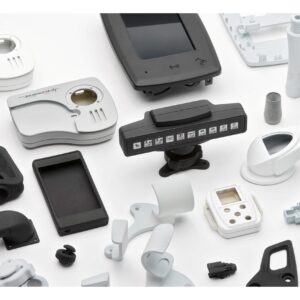
Electronics enclosures made with 3D printing are structures designed to house and protect electronic circuits, PCB boards, control interfaces, and other components. 3D printing also enables the production of precision mechanical parts, brackets, housings, and customized structural components.

Common synonyms for these products include:

  • Electronics boxes
  • Device enclosure
  • Electronics cases
  • Electronics housings or enclosures
  • Electronics covers
  • Customized mechanical components

Electronic enclosures are structures designed to house and protect electronic circuits, PCB boards, control interfaces, and other electronic components. They can vary in shape, size, and materials depending on the application.

Common synonyms used to identify these products include:

  • Electronics boxes
  • Device enclosure
  • Electronics cases
  • Electronics housings or enclosures
  • Sheet metal enclosures for electronics
  • Electronics covers

Our company designs and manufactures customized containers for every need, using different production technologies to guarantee tailor-made solutions.

Display frames are structural elements designed to frame and protect screens of electronic devices, such as industrial displays, touchscreens, human-machine interfaces (HMI), and control panels. In addition to providing physical protection for the display, they enhance the product’s aesthetics and facilitate mounting in electronic systems.

A display frame is often also identified as an “electronics enclosure.” Sometimes, the product consists of a frame and brackets/support elements for the display and electronics, while in other cases, the object also includes rear covers such as casings and panels to protect electronic boards.

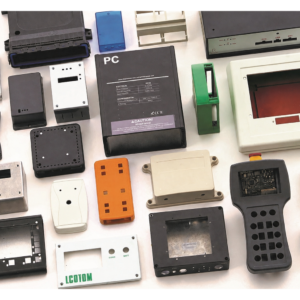
Commercial electronics enclosures are standard casings produced by various international manufacturers in plastic, aluminium, or metal. They are available in catalogues and typically always in stock in a wide range of geometries and sizes.

They are designed for general use in electronic instrumentation and can be adapted to various industries thanks to customization options.

Advantages of commercial electronics enclosures

  • Immediate availability: As pre-existing market products, they can be sourced quickly, often through online stores.
  • Suitable for various production needs: They can be used for small to medium batch productions. For high volumes, a fully custom solution may be recommended.
  • Faster time to market: They reduce development time compared to designing an enclosure from scratch.
  • High quality: Some manufacturers provide very high construction standards, ensuring reliable and durable products.
  • Compatibility: Often designed to integrate standard accessories such as DIN rails, modular panels, and mounting interfaces.

Disadvantages of commercial electronics enclosures

  • Lack of exclusivity: The final product may resemble other products already on the market, including in competitive sectors.
  • Design limitations: Customization is possible but constrained by the structure of the standard enclosures.

These containers represent a flexible and affordable solution, particularly suitable for companies that want a reliable and well-made product, without having to invest in totally custom development.

Membrane keyboards/switches are input devices composed of layers of flexible material. They use an electrical contact mechanism to transmit commands when keys are pressed, making them ideal for industrial and electronic applications.

Stay updated
Sign up for the newsletter to receive useful content, technical updates, and information about our achievements directly in your email inbox.